Why a GI Tag Alone Isn’t Protecting Madhubani and Warli Painting
Two of India’s most recognisable folk art forms carry legal protection on paper. In practice, artists say the tag has done little to stop mass-produced copies from undercutting them.
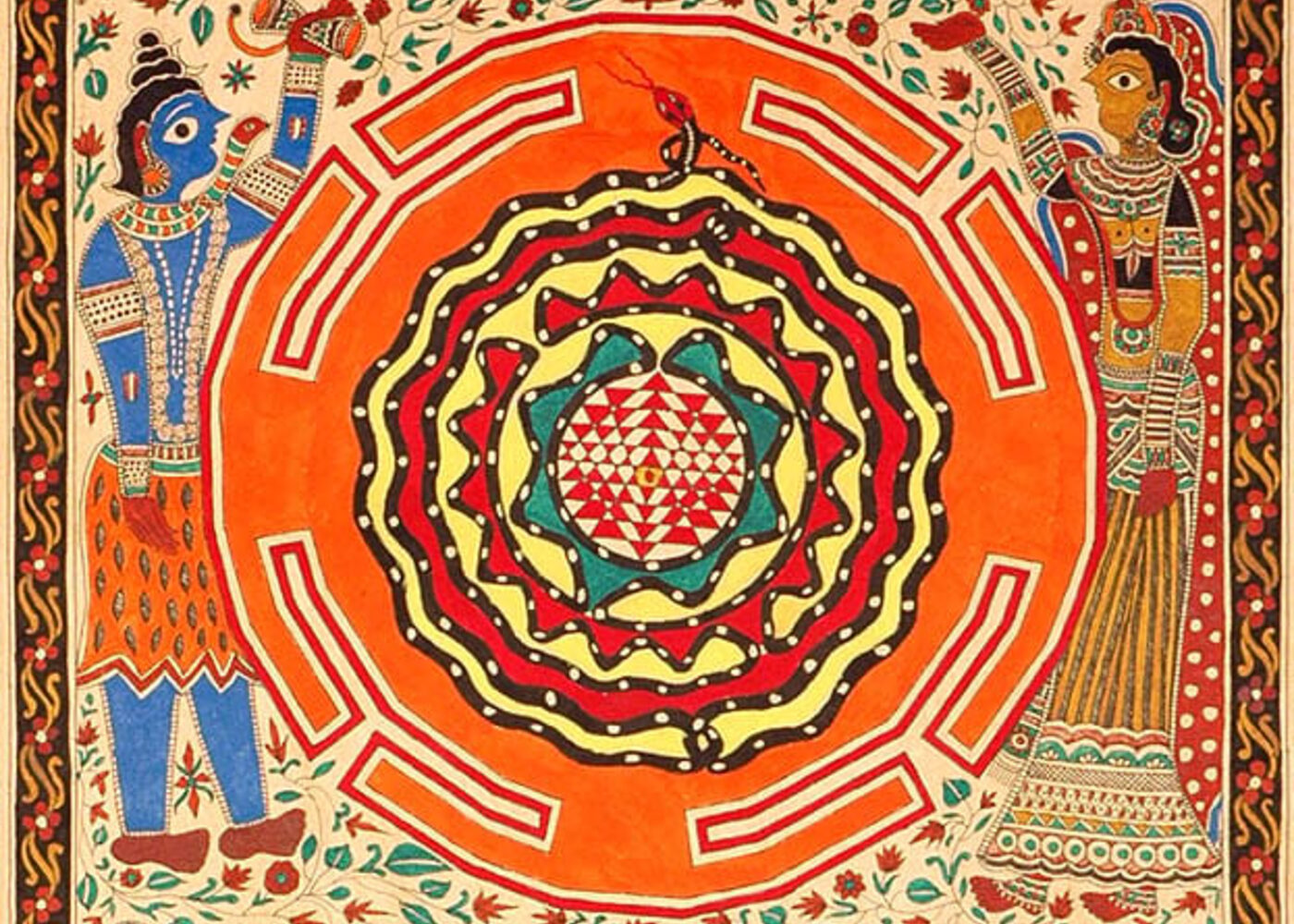
Image: Wikimedia Commons
Madhubani painting, from Bihar's Mithila region, received Geographical Indication (GI) status in 2007. Warli painting, the tribal art form of Maharashtra's Warli community, followed in 2014. On paper, a GI tag is meant to do for a folk art form what it does for Darjeeling tea or Champagne — legally tie the name to the place and people who originated it, and give authentic makers a way to distinguish their work in the market.
In practice, as a November 2025 Down To Earth investigation into Madhubani's protection gaps laid out, the tag has struggled to do that job. Machine-printed textiles and factory reproductions bearing "Madhubani-style" motifs circulate widely, often at a fraction of the price of hand-painted work, with little enforcement distinguishing them from the real thing. A GI registration protects a name; it does not, by itself, police a marketplace — and the artists with the least legal and financial resources are usually the ones absorbing the cost of that gap.
The frustration isn't with the GI system existing — artists and craft researchers broadly welcome the recognition it represents. It's that recognition without active enforcement and consumer awareness leaves the underlying economic problem largely untouched: a painting that takes a trained Mithila artist days to complete has to compete on a shelf against a printed imitation that took none.
A Geographical Indication tag is a legal fact. Whether a buyer can tell the difference on a shop shelf is a design problem nobody has solved yet.
Where this leaves practitioners, for now, is dependent on things a GI tag can't provide on its own: buyer education, direct-to-collector platforms, and institutions willing to credit individual artists by name rather than treat the style as anonymous decor — the same commitment Antare Kala's Kala pillar exists to make.
Sources & Credits
- Down To Earth — "Authenticity in Question: Why Madhubani Art Deserves Better Protection," November 27, 2025
- Geographical Indications Registry, India — Madhubani painting (2007) and Warli painting (2014) GI registrations
This is a desk report on public, verifiable developments — official announcements, award lists, festival programming and GI/UNESCO records. No individual is quoted here who has not made that statement publicly. Antare Kala's artist profiles, a separate and forthcoming content type, will carry direct interviews and consultation, per our editorial commitment: every artist we feature is credited, contacted, and consulted.