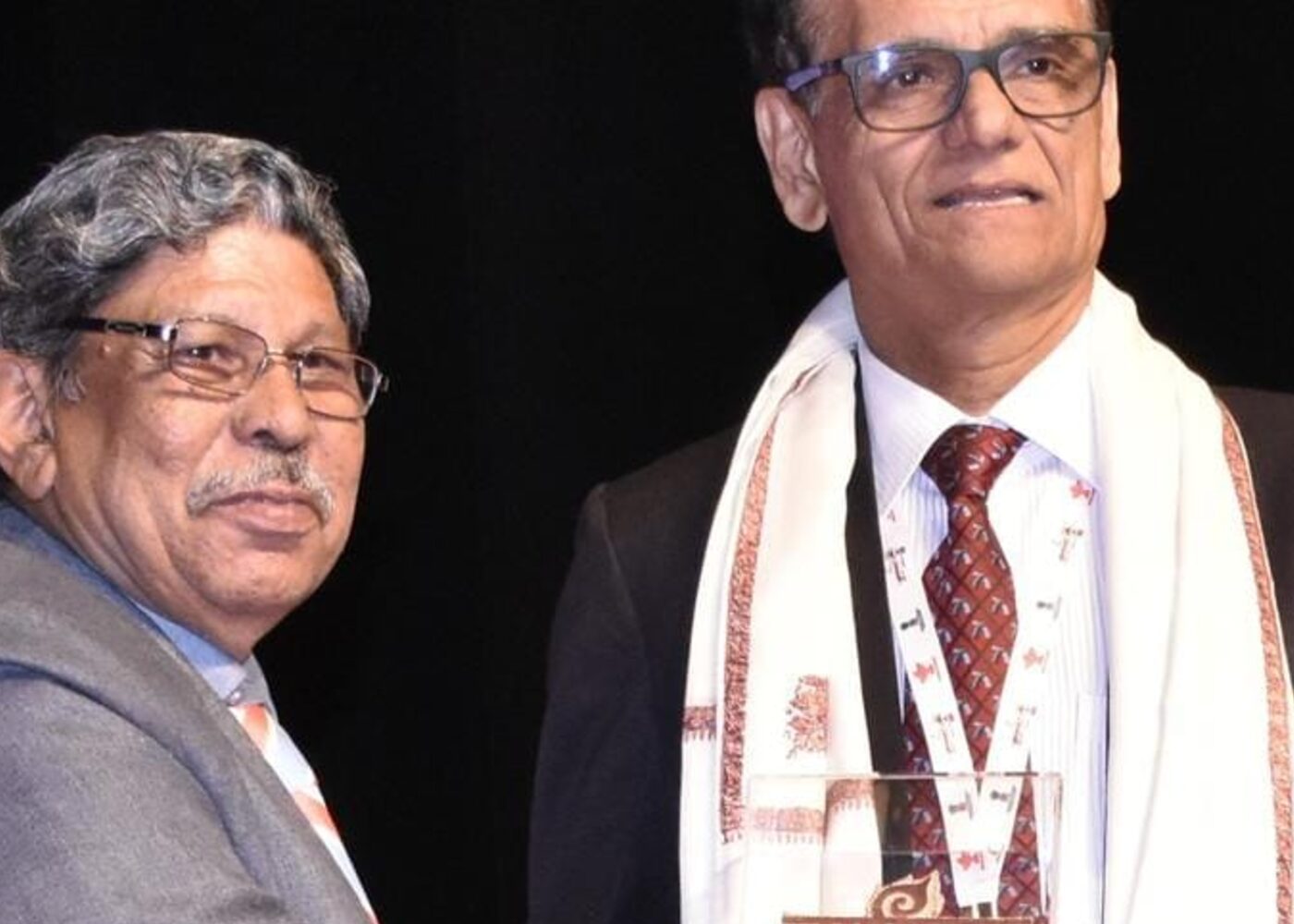
The Sahitya Akademi Awards 2025: What Two Dozen Languages of Honour Tell Us
This year’s Sahitya Akademi Awards once again did something no single prize in most literary cultures attempts — recognising excellence across nearly two dozen Indian languages at once.
Read the note
The Race to Save India’s Oral Storytelling Before the Last Voices Fall Silent
A growing digitisation effort is trying to do what centuries of manuscript culture never had to: capture stories that were never meant to live on a page.
Read the note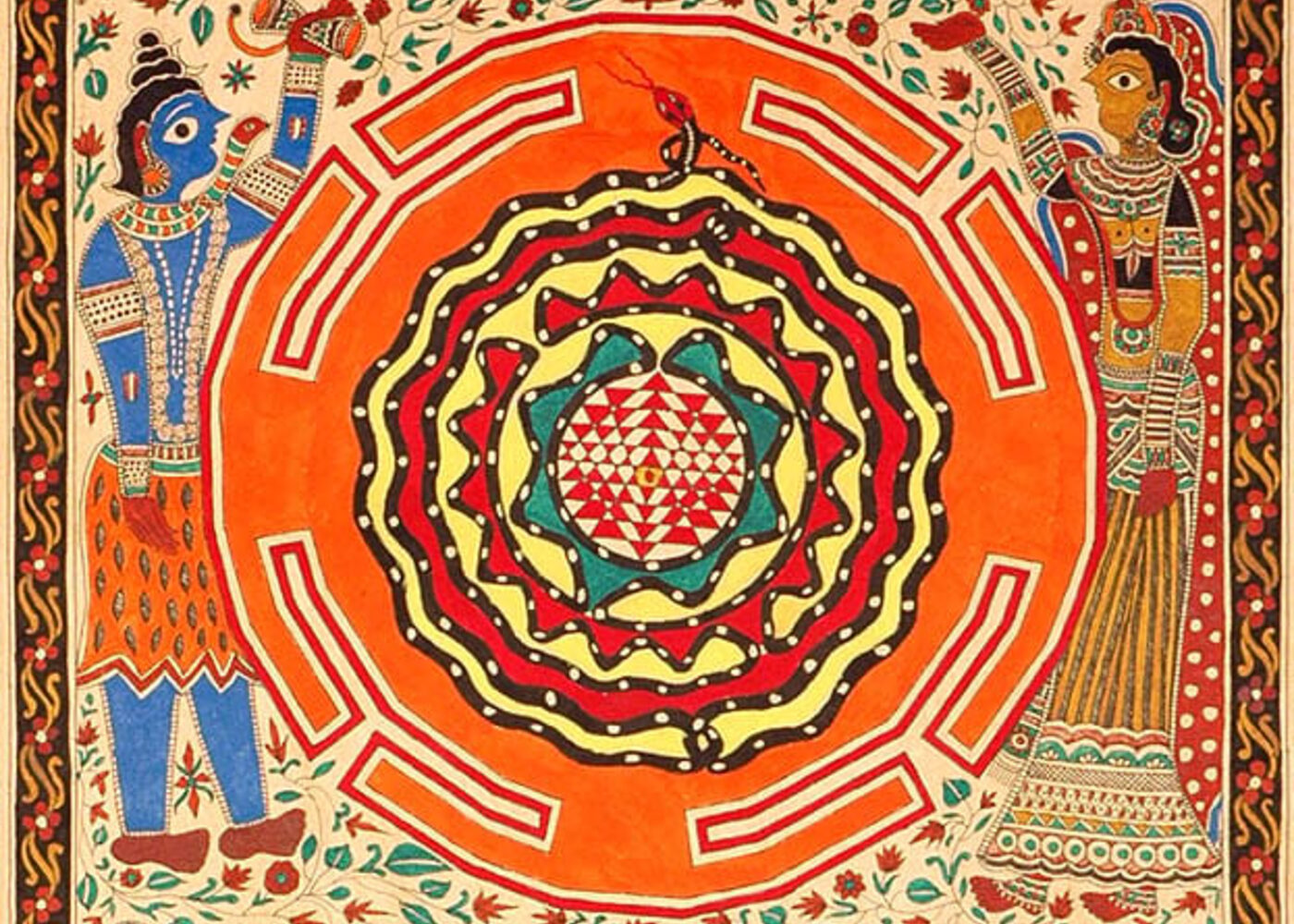
Why a GI Tag Alone Isn’t Protecting Madhubani and Warli Painting
Two of India’s most recognisable folk art forms carry legal protection on paper. In practice, artists say the tag has done little to stop mass-produced copies from undercutting them.
Read the note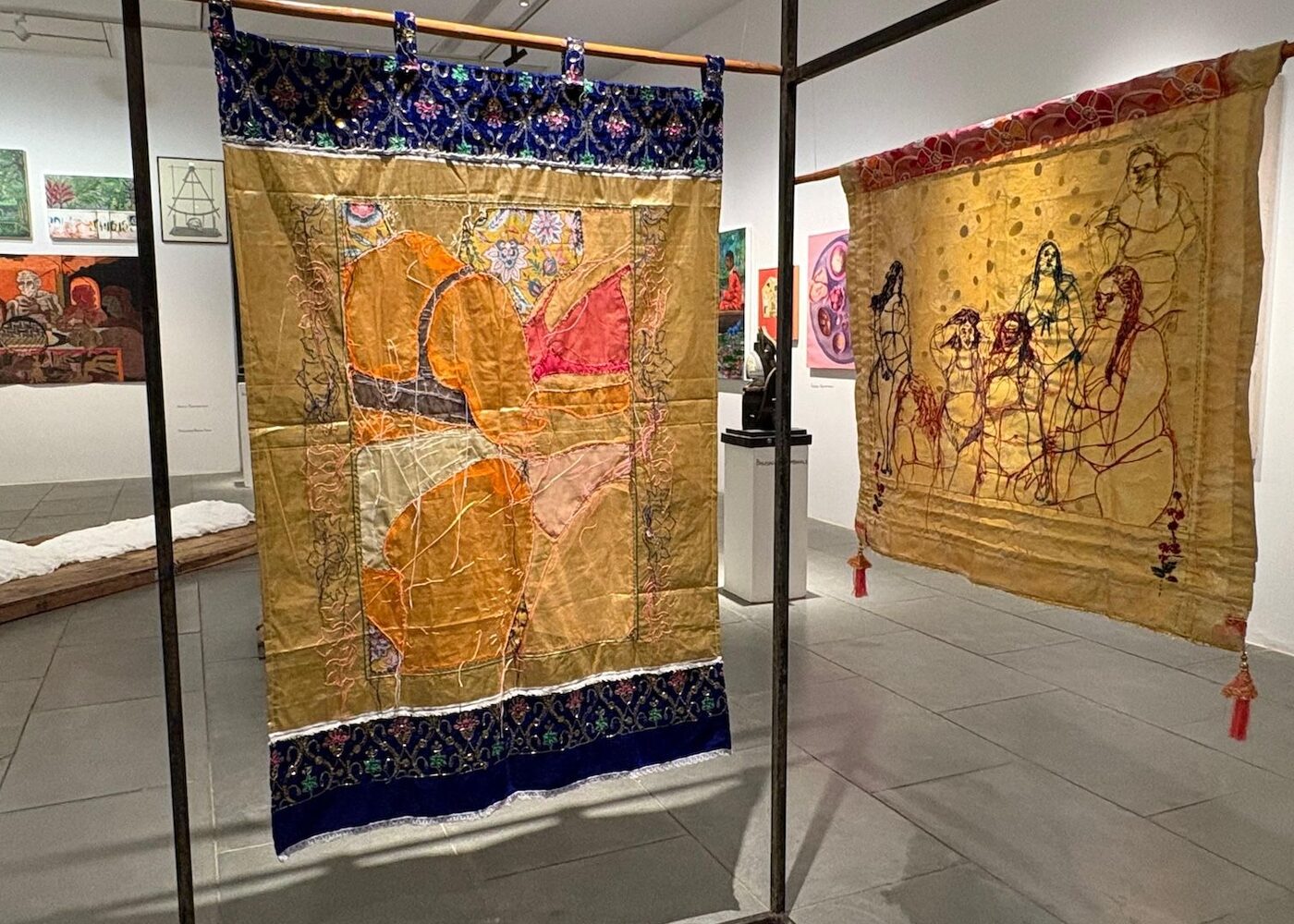
A New Generation Is Choosing Folk Art on Its Own Terms
At India Art Fair 2025 and in a new wave of grants for young artists, folk idiom is showing up less as heritage decor and more as contemporary practice.
Read the note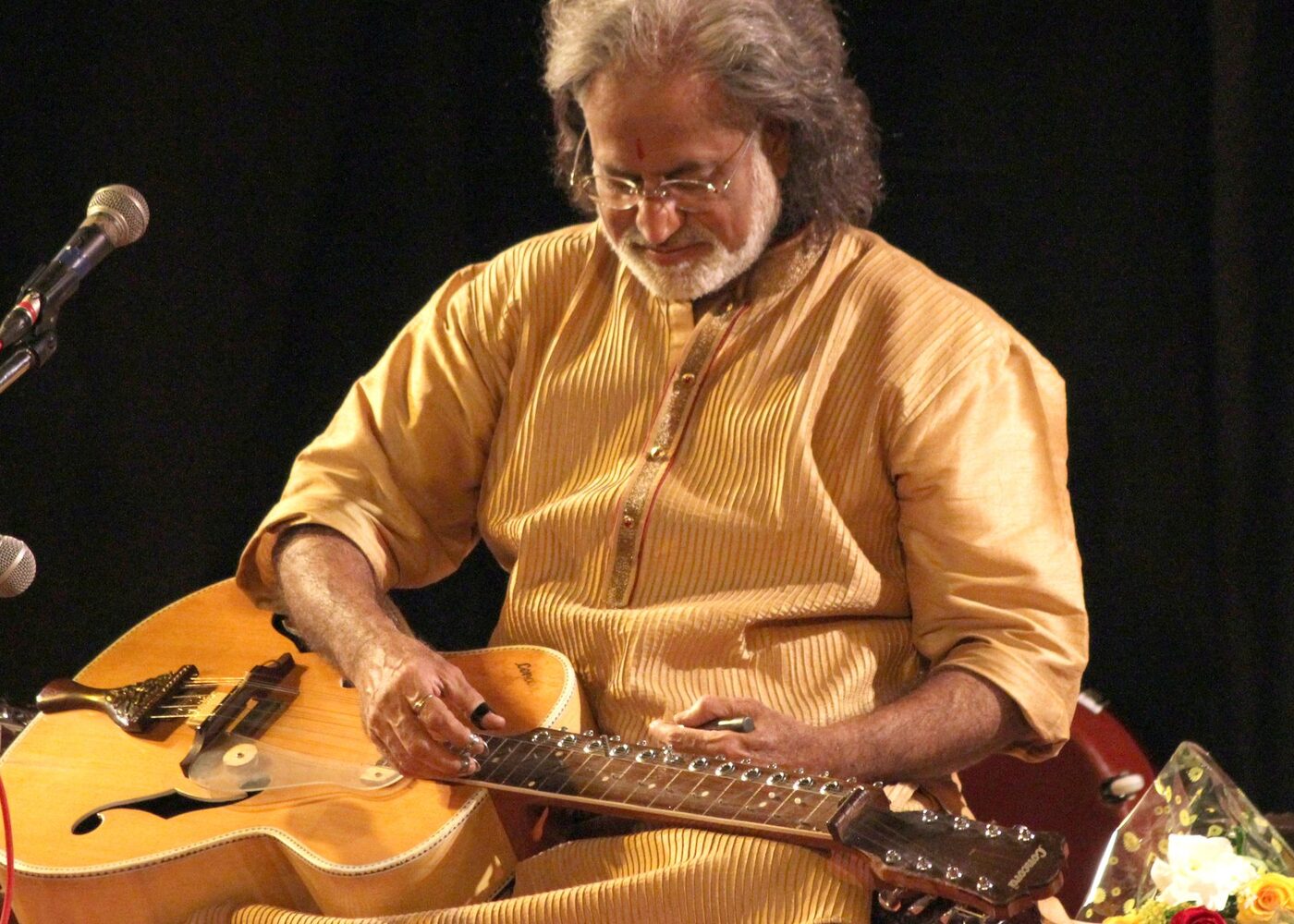
A.R. Rahman’s Bharat Maestro Awards Puts Classical Music’s Elders and Its Newest Voices in the Same Room
A new awards platform launched by one of India’s best-known composers is trying to do two things at once: honour classical legends, and fund the young musicians who might become the next ones.
Read the note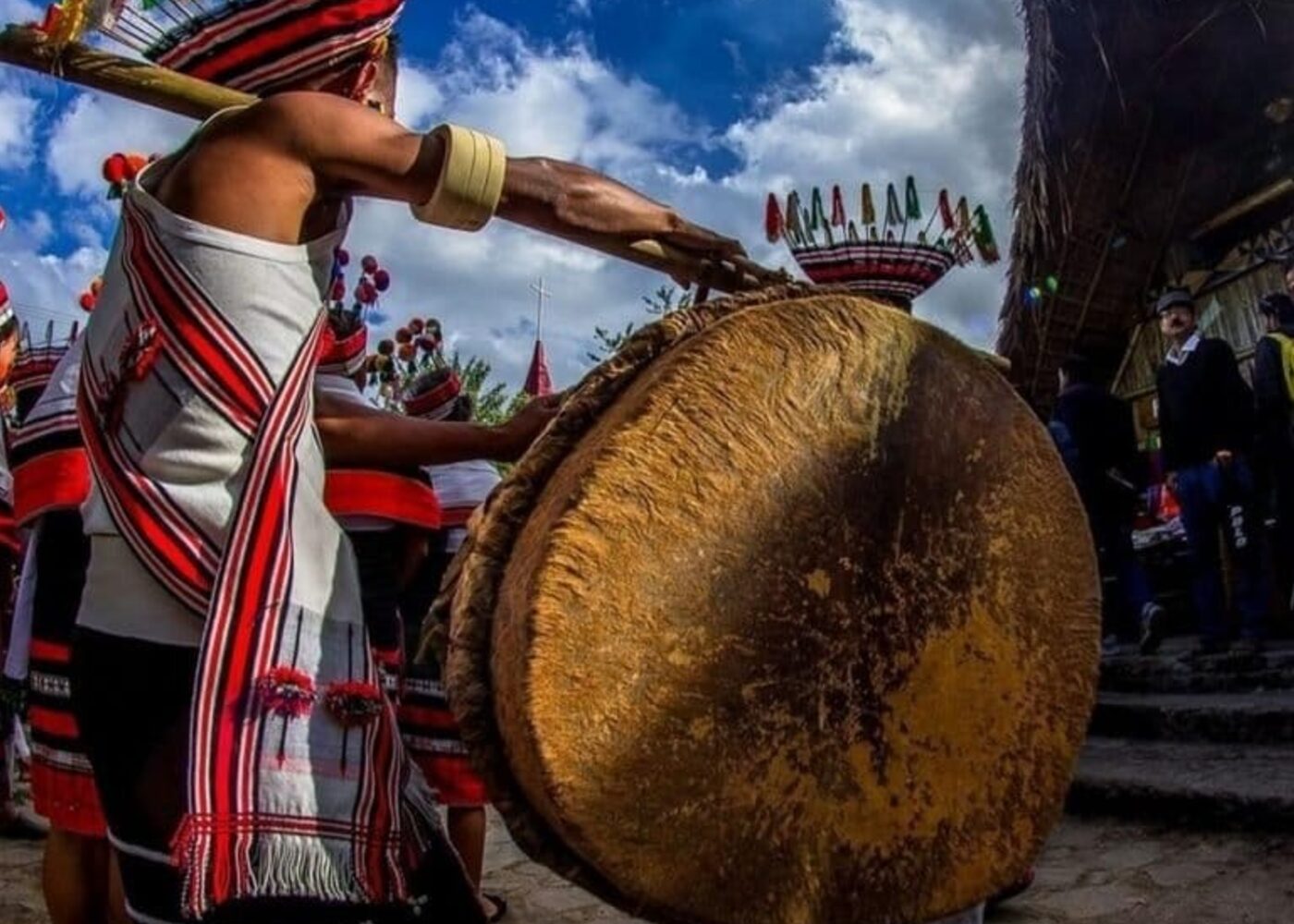
From Hornbill to Ziro: Inside India’s Growing Season of Folk and Fusion Festivals
A cluster of festivals across the country’s north and northeast is building something rarer than a single hit song — a standing audience for folk music on its own terms.
Read the note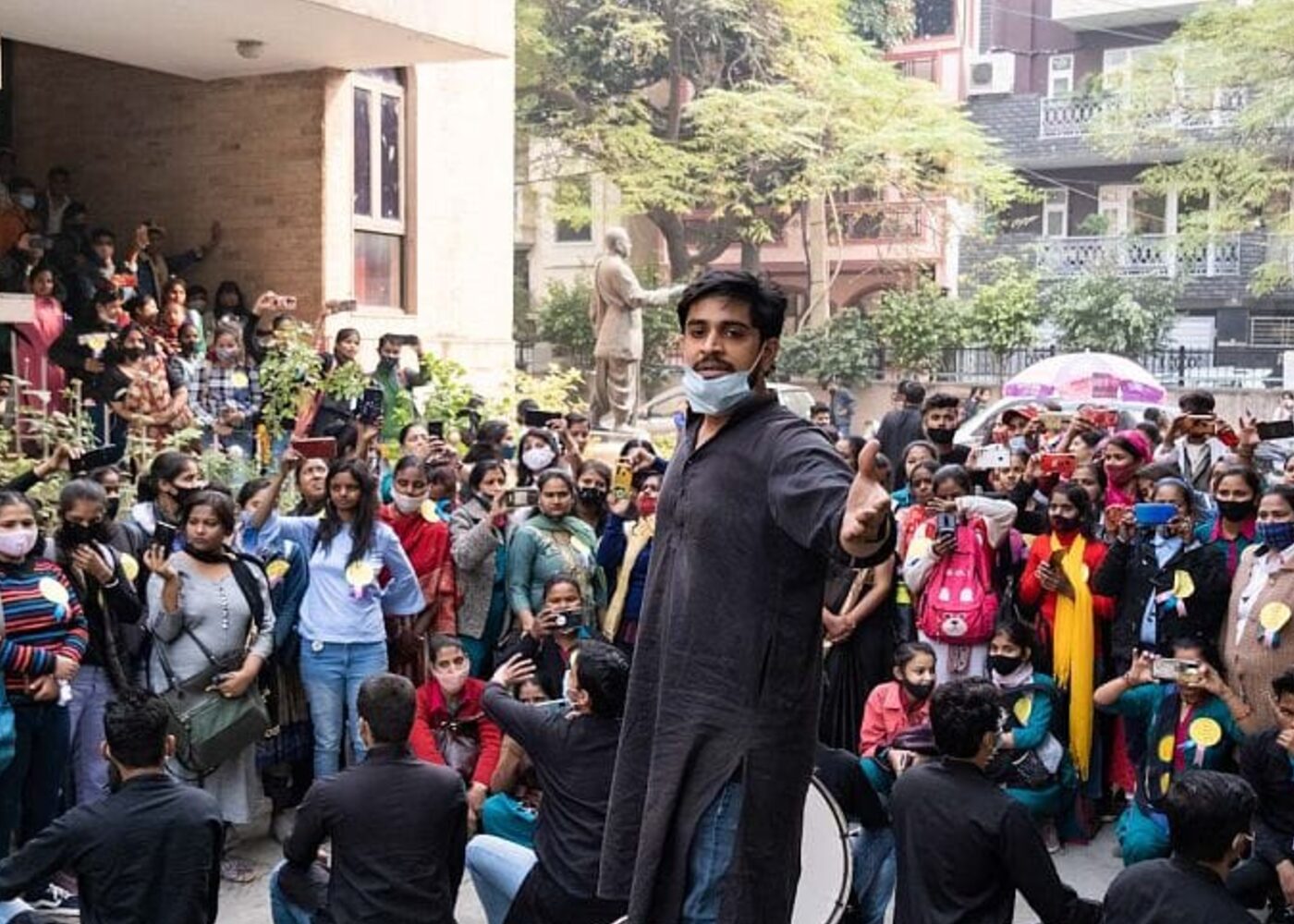
The Street Corner Strikes Back: Nukkad Natak’s Quiet Comeback
Street theatre never fully disappeared from India’s public squares. A new wave of festivals and organised campaigns is trying to make sure it doesn’t have to survive on nostalgia alone.
Read the note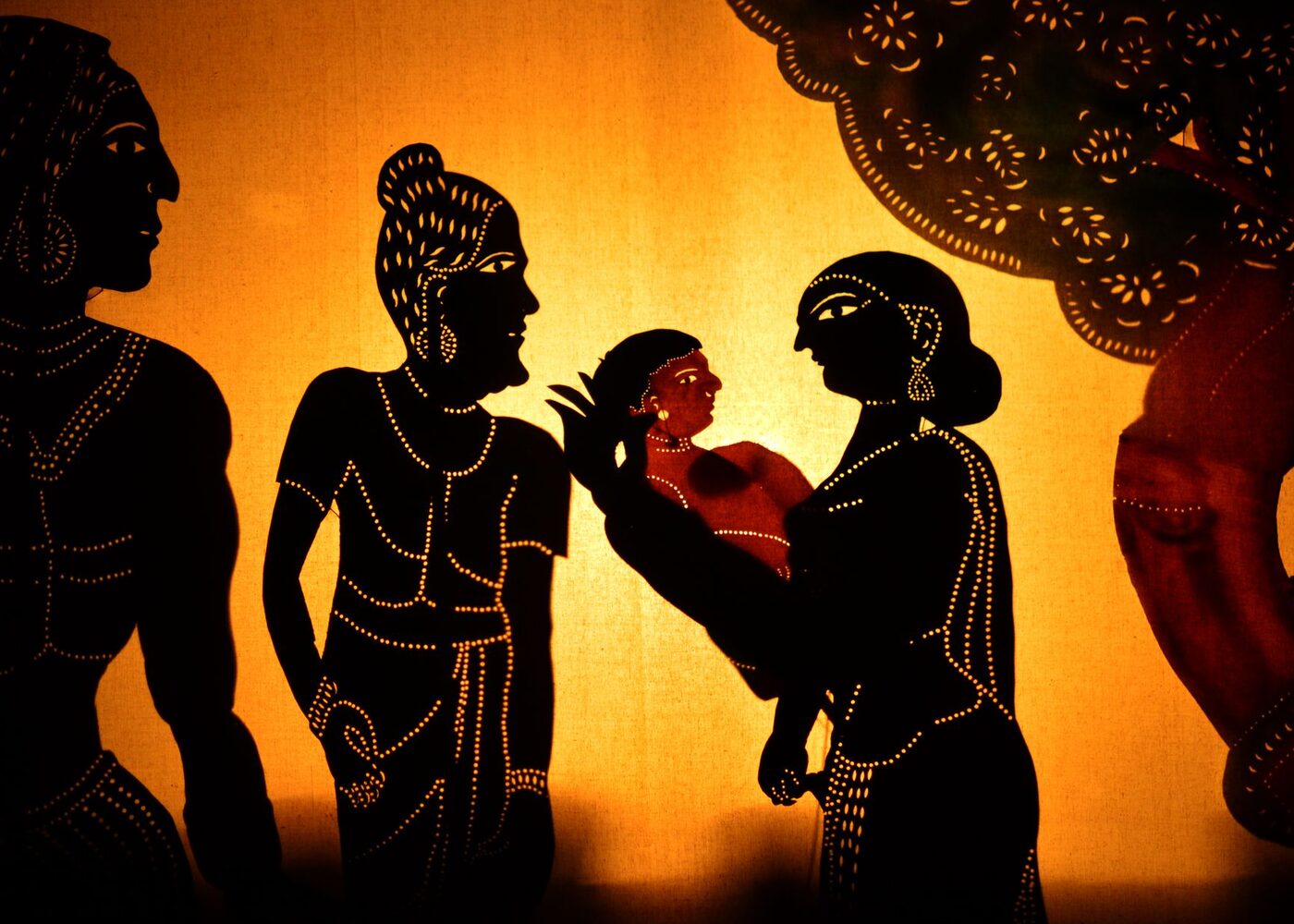
Behind the Screen: Kerala’s Shadow Puppeteers and the Festivals Keeping Them Working
Tholpavakoothu’s leather puppets have narrated the Ramayana inside Kerala temples for generations. National festivals are now giving the form — and the wider Indian puppetry tradition — a bigger stage.
Read the note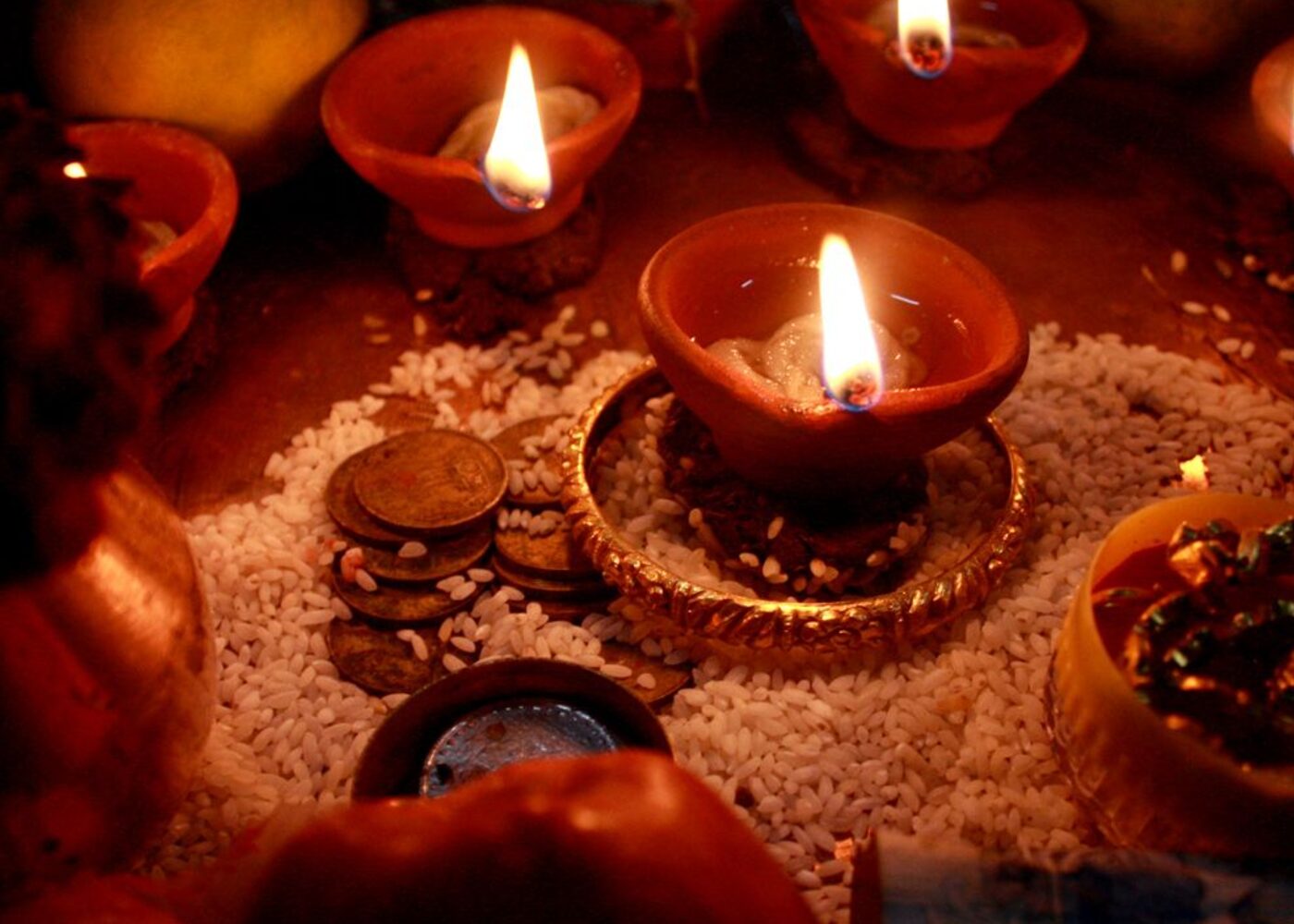
Deepavali Just Became India’s 16th UNESCO-Listed Living Tradition — Here’s What That Actually Means
On December 10, 2025, Deepavali was formally inscribed on UNESCO’s Representative List of the Intangible Cultural Heritage of Humanity. It’s a recognition, not a registration — and the difference matters.
Read the note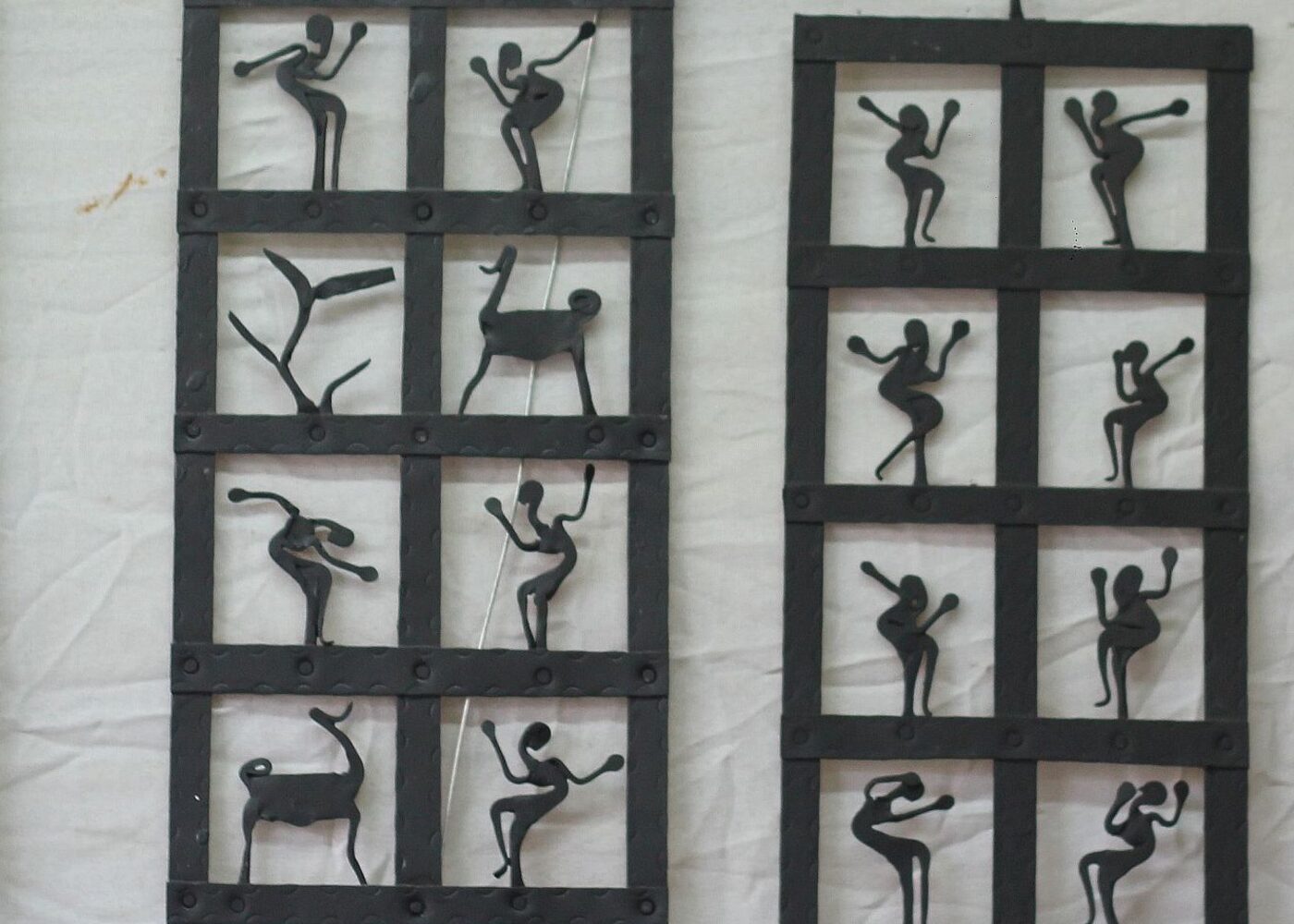
A GI Tag for a Handwoven Mat: How Kannadippaya and Bharat Tribes Fest Are Redrawing the Map of Craft Recognition
A Kerala tribal handicraft just got the kind of formal legal recognition usually reserved for a region’s tea or textiles. It’s part of a wider push to put tribal craft economies on firmer ground.
Read the note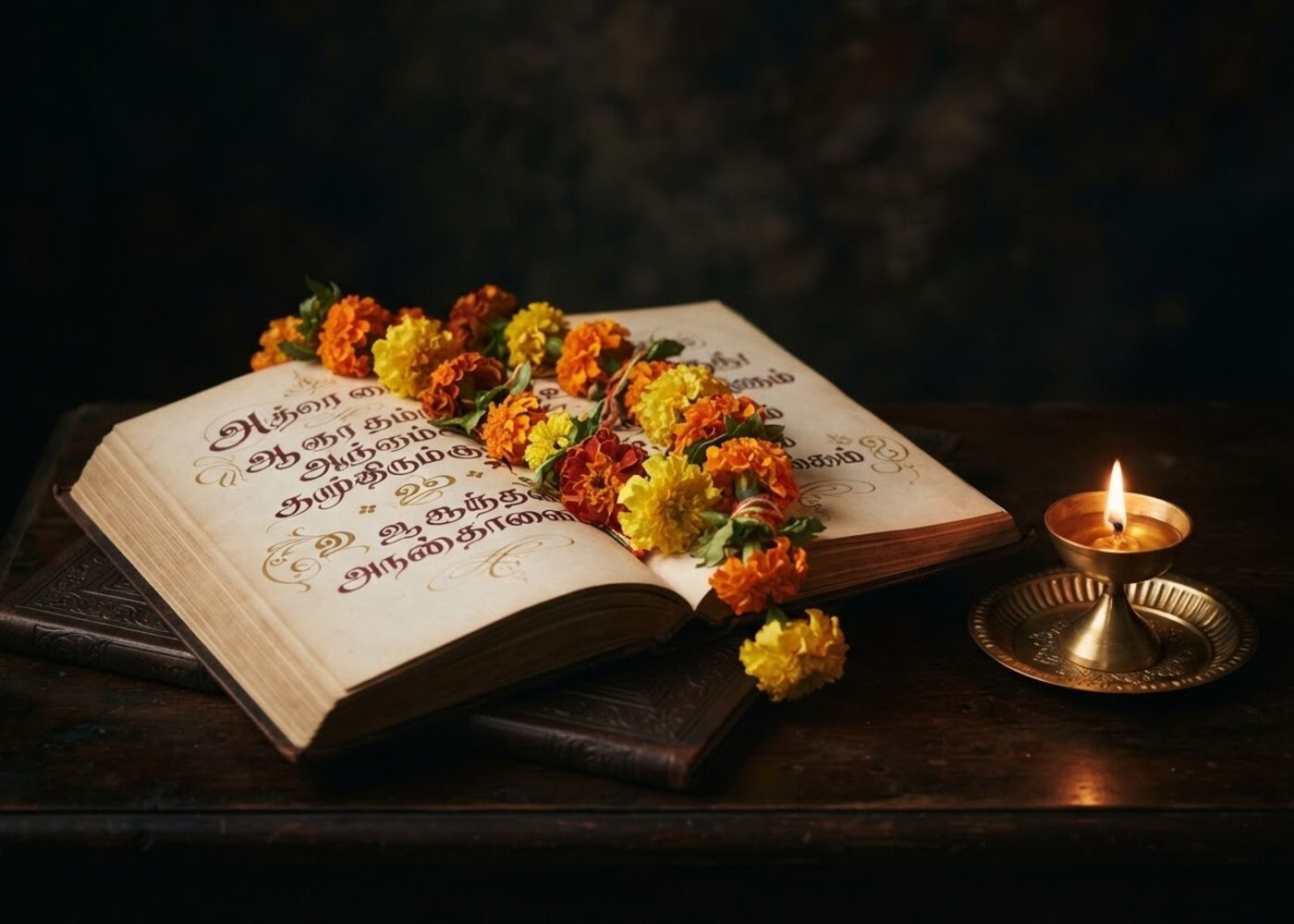
When a Film Lyricist Becomes India’s Highest Literary Honouree
For fifty years, R. Vairamuthu wrote for the screen. In March 2026, the Bharatiya Jnanpith gave him the country’s oldest and highest literary honour anyway — only the third Tamil writer ever to receive it.
Read the note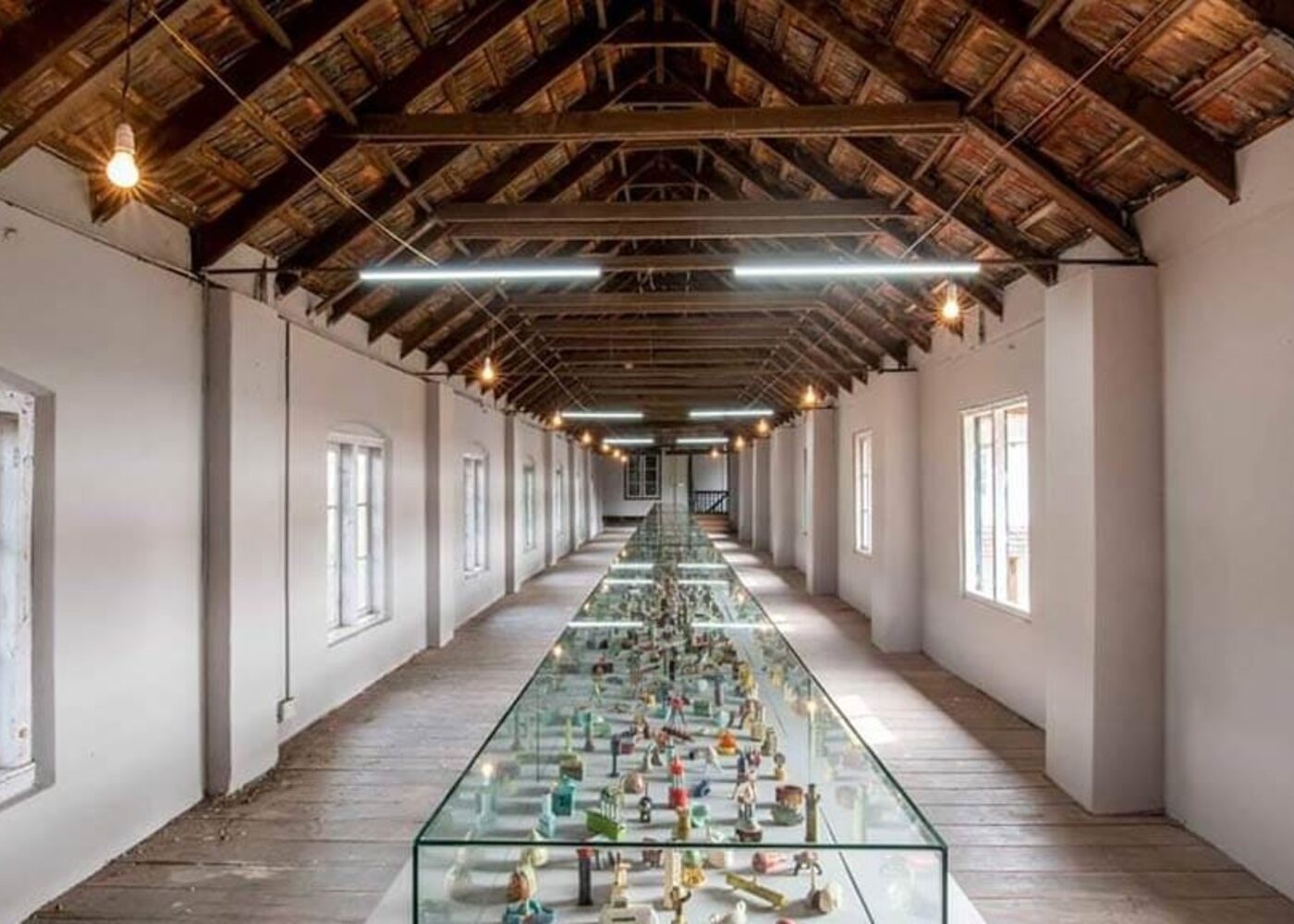
Inside “For the Time Being”: The Kochi-Muziris Biennale Turns Six
South Asia’s largest contemporary art exhibition opened its sixth edition in December 2025, turning a former spice-trade port into a four-month conversation about memory, place and time.
Read the note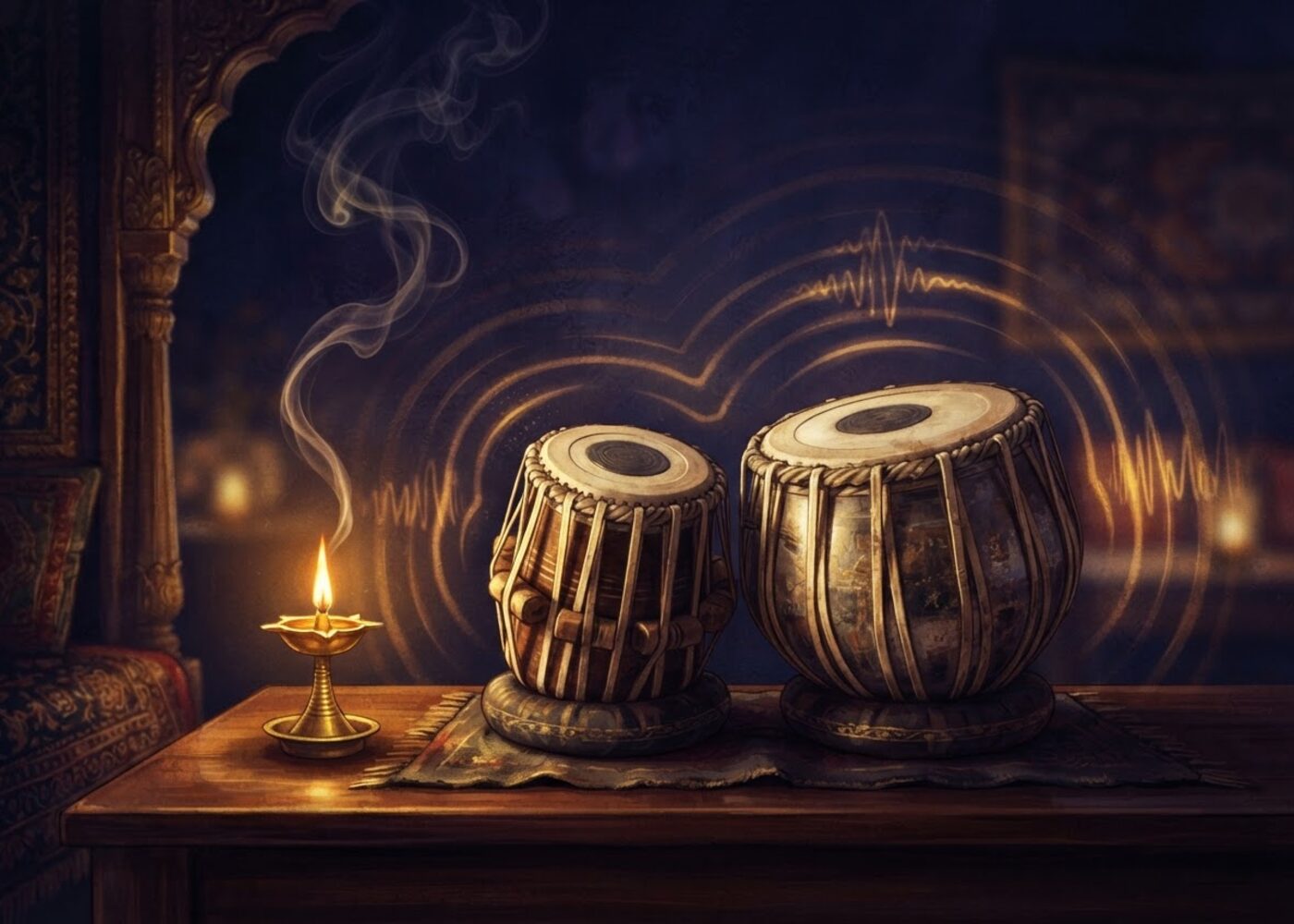
How the World Kept Playing for Zakir Hussain’s 75th Birthday
More than a year after the tabla maestro’s passing, concert halls from San Francisco to New York marked what would have been his 75th birthday — turning grief into some of the most star-studded tribute programming Indian classical music has seen.
Read the note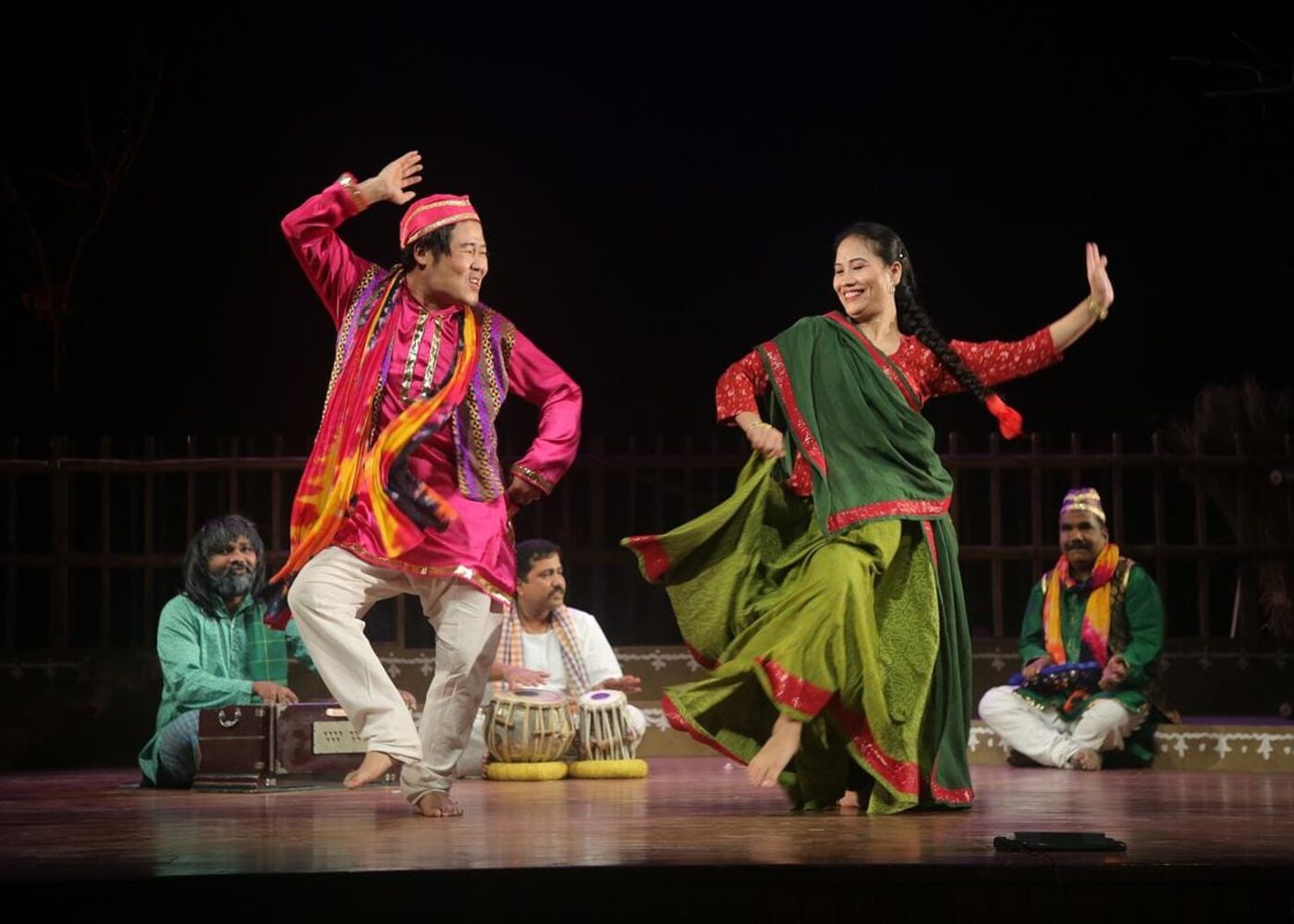
The World’s Largest Theatre Festival Just Turned 25 — And Went Even Bigger
The 25th Bharat Rang Mahotsav spread across 40 locations in India and one country on every continent this year, staging 289 productions in 228 languages and dialects.
Read the note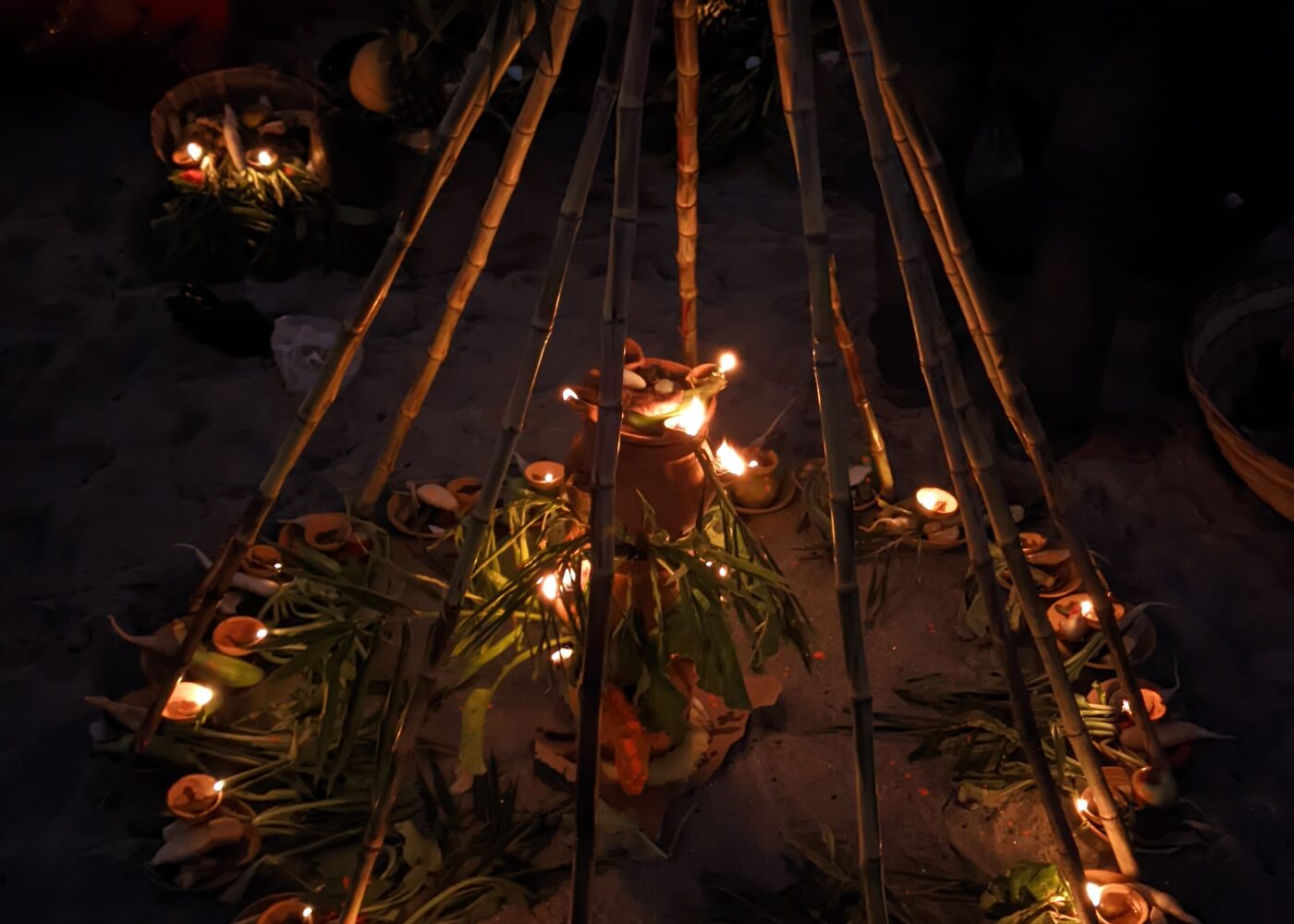
After Deepavali, India Wants Chhath on UNESCO’s List Next
Weeks after Deepavali’s inscription made headlines, the Ministry of Culture quietly began the harder, longer work of nominating Chhath Mahaparva — a festival with no single script, temple or text — for the same UNESCO recognition.
Read the note