The Sahitya Akademi Awards 2025: What Two Dozen Languages of Honour Tell Us
This year’s Sahitya Akademi Awards once again did something no single prize in most literary cultures attempts — recognising excellence across nearly two dozen Indian languages at once.
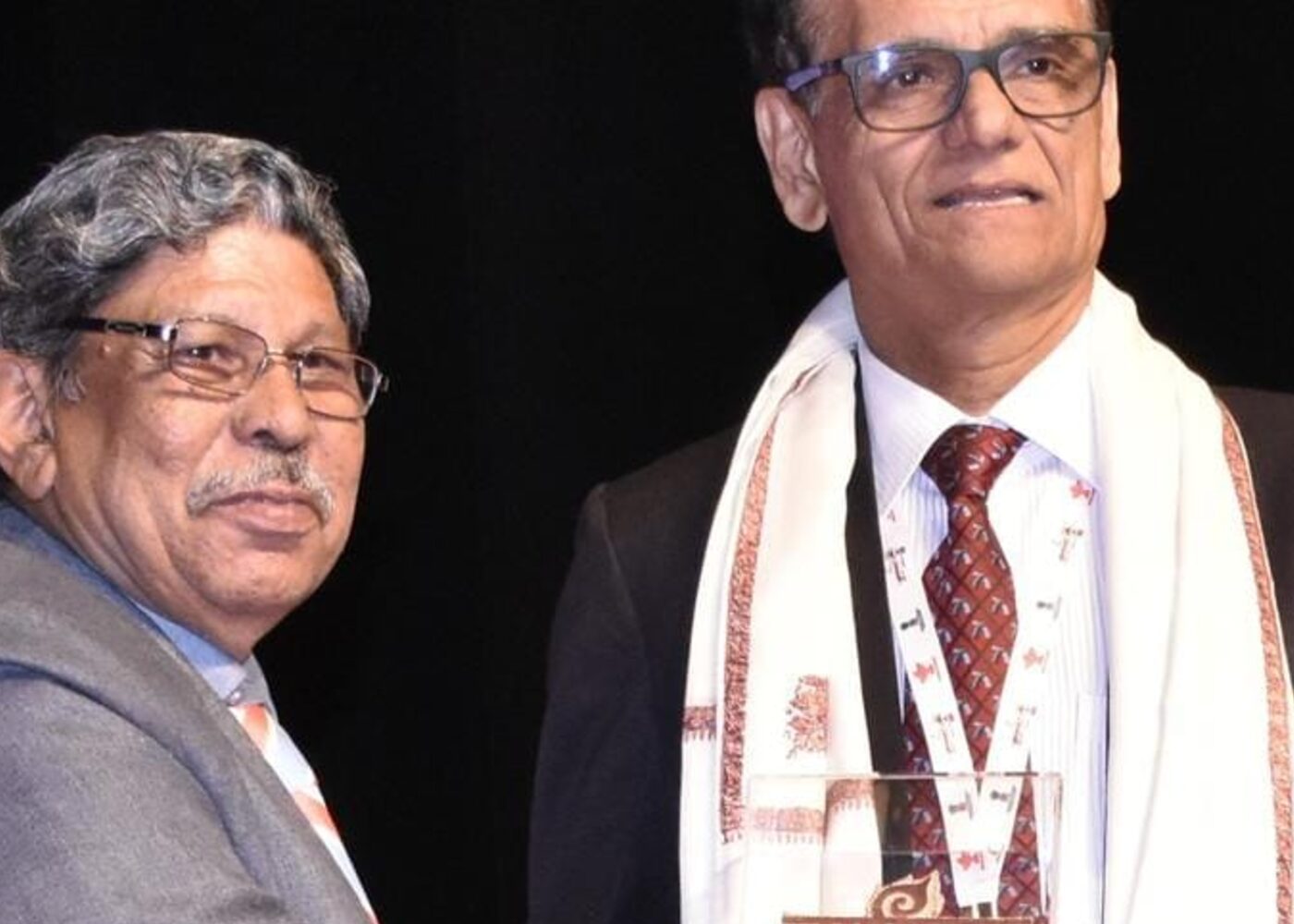
Image: The Hindu
Every December, the Sahitya Akademi — India's National Academy of Letters, established in 1954 — does something that has no equivalent in most literary cultures: it honours the year's finest writing in roughly two dozen languages at once, from Assamese to Urdu, in a single set of awards announced together.
The 2025 list carried the Akademi's usual mix of established and emerging names. Senior Hindi writer Mamta Kalia was recognised for her memoir Jeete Jee Allahabad, a chronicle of a vanished Allahabad woven from personal memory. Diplomat-author Navtej Sarna was honoured for his English-language work, and Assamese novelist Devabrata Das was recognised for Karhi Khelar Sadhu. Alongside the main awards, the Akademi's Yuva Puraskar — its award for younger writers — went to a fresh cohort that included Parvati Tirkey and Sushil Shukla, a reminder that the pipeline of regional-language writing is still filling, not just being commemorated.
It's easy to read an awards list as ceremony and move on. We think the more interesting story is structural: a country with 22 scheduled languages and hundreds more spoken ones needs an institution willing to take regional-language literature as seriously in Bodo or Manipuri as it does in English. That is the quiet, decades-long work the Akademi does — and it is the same principle Antare Kala's own Sahitya pillar borrows: a couplet in Maithili deserves the same editorial seriousness as a novel in English.
A prize list in two dozen languages is really a map of how much literary life a single country is still capable of holding at once.
What we'll be watching next: how many of this year's Yuva Puraskar winners get translated into other Indian languages within the next few years — historically the biggest bottleneck between a regional award and a genuinely national readership.
Sources & Credits
- Sahitya Akademi — Official 2025 award announcements and Yuva Puraskar list
- Press Information Bureau, Government of India — Ministry of Culture press coverage of the awards
This is a desk report on public, verifiable developments — official announcements, award lists, festival programming and GI/UNESCO records. No individual is quoted here who has not made that statement publicly. Antare Kala's artist profiles, a separate and forthcoming content type, will carry direct interviews and consultation, per our editorial commitment: every artist we feature is credited, contacted, and consulted.