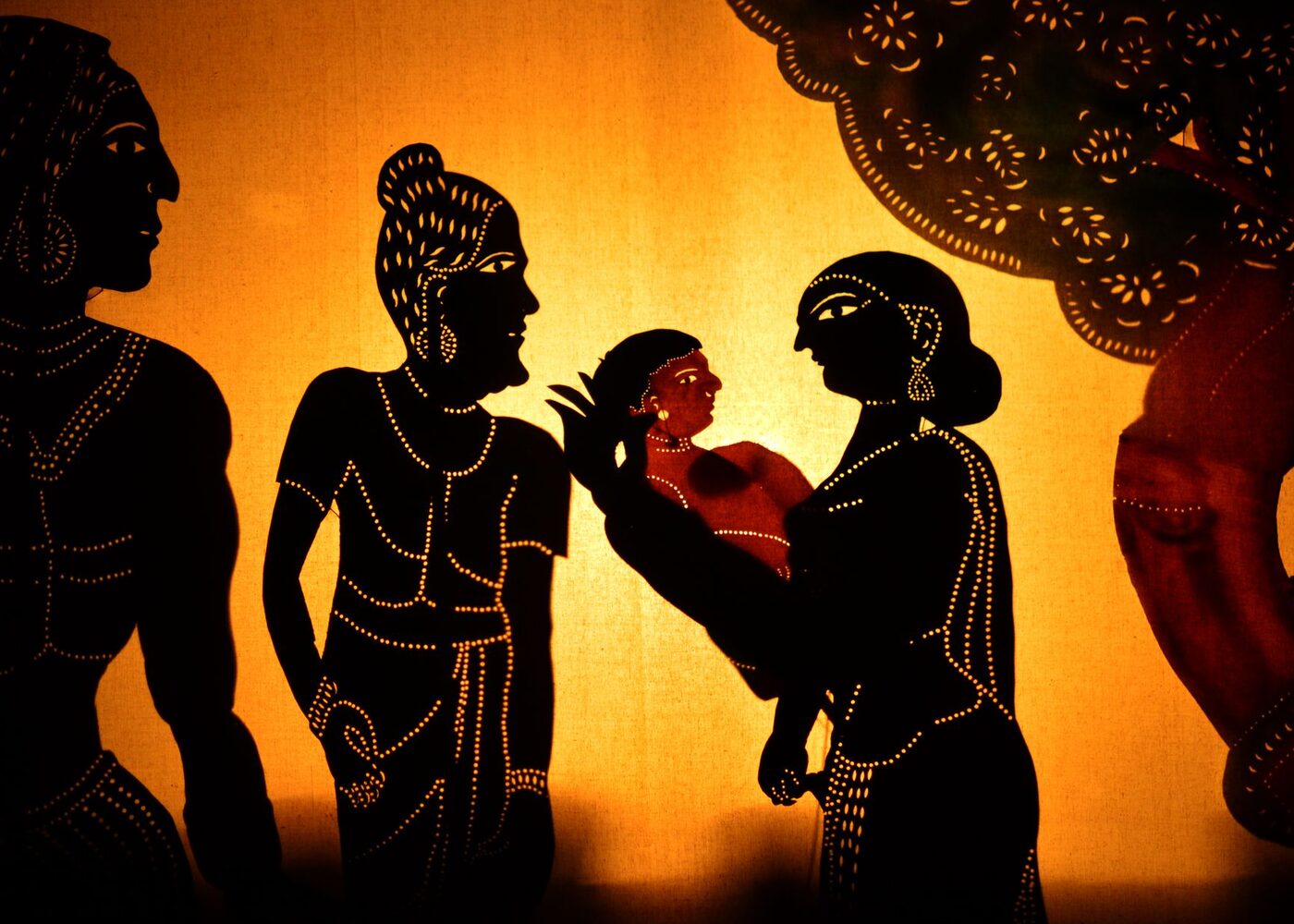
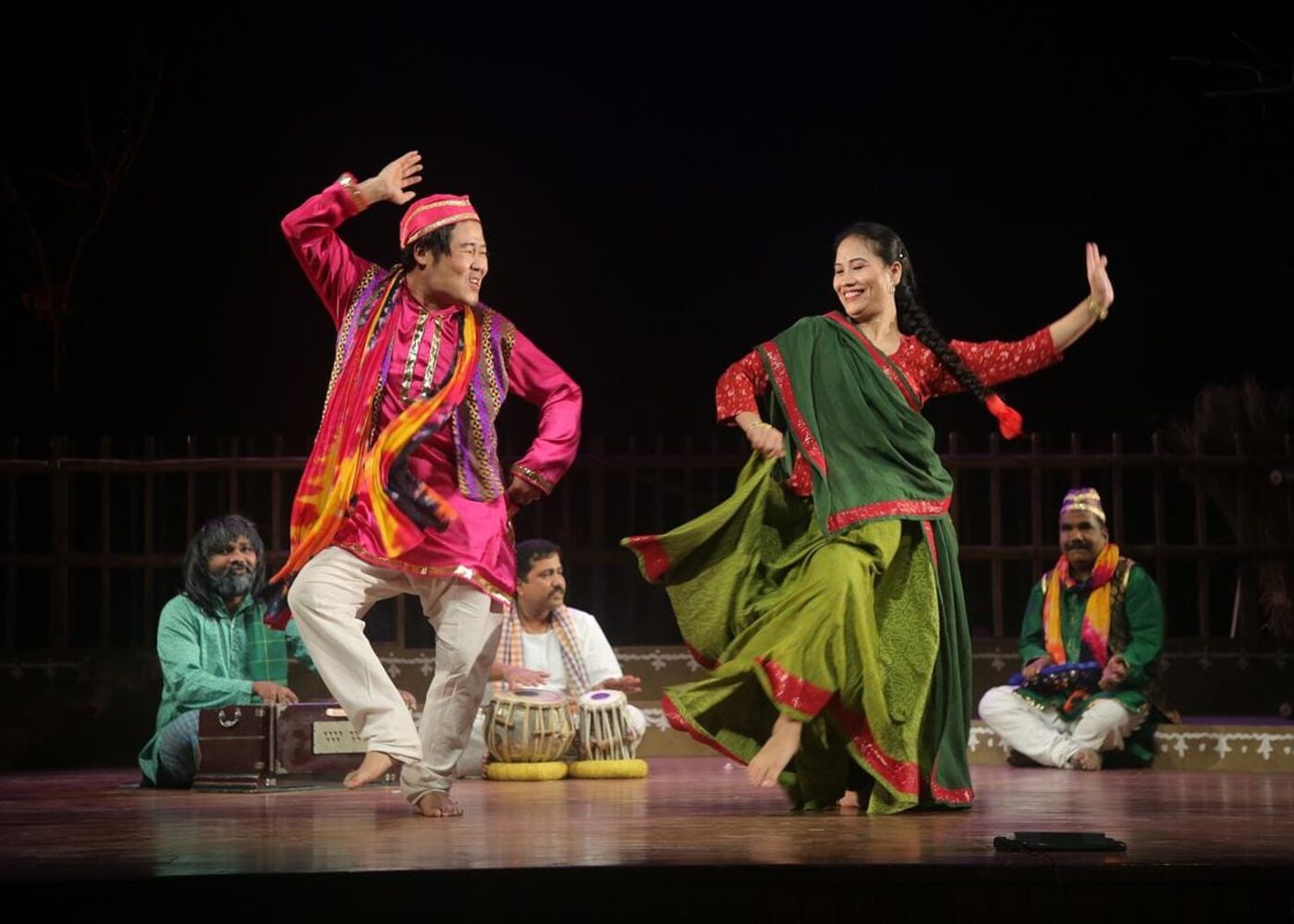
The Street Corner Strikes Back: Nukkad Natak’s Quiet Comeback
Street theatre never fully disappeared from India’s public squares. A new wave of festivals and organised campaigns is trying to make sure it doesn’t have to survive on nostalgia alone.
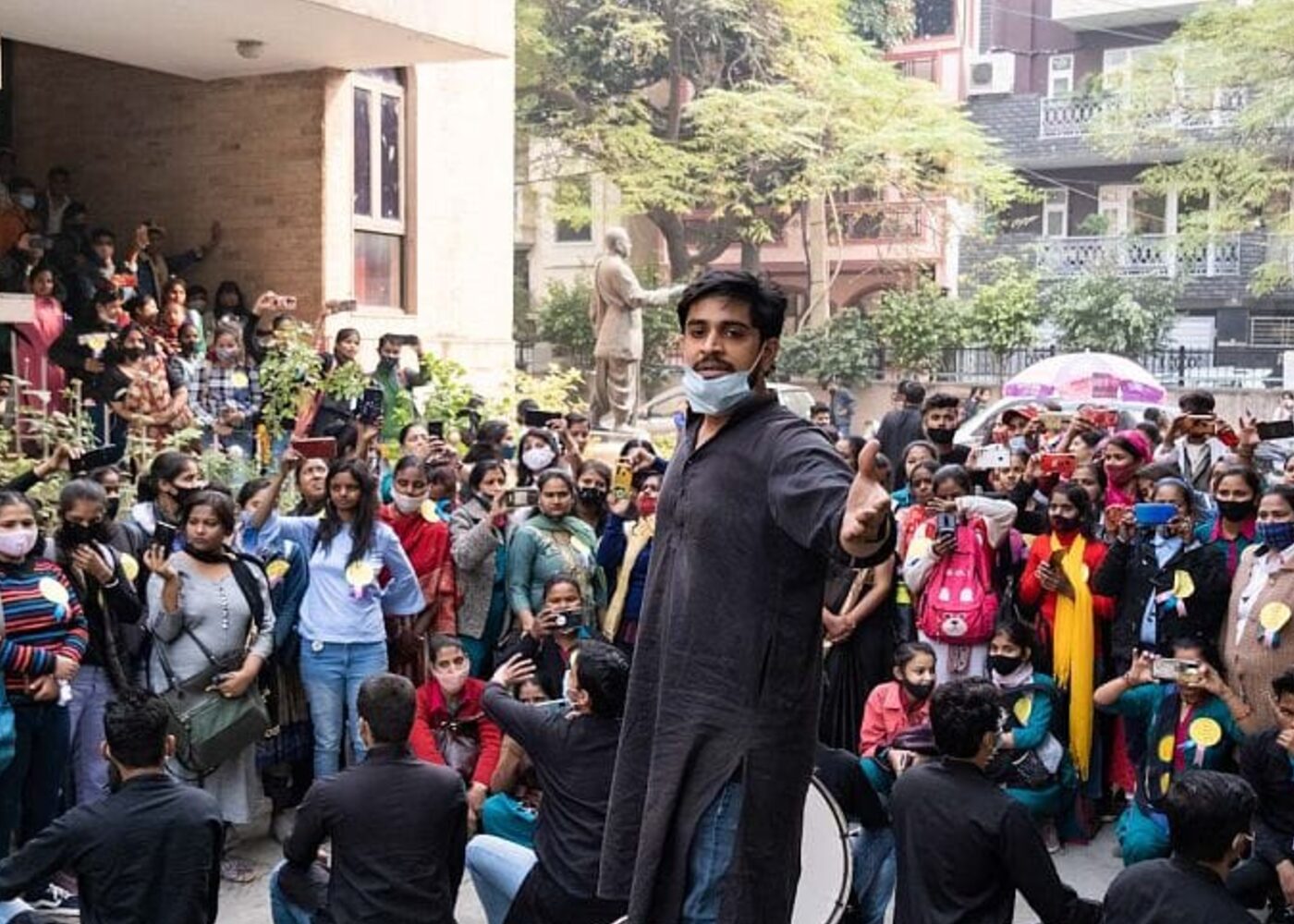
Image: Euronews
Nukkad natak — literally "street-corner drama" — has always operated on borrowed stages: a market square, a college lawn, a factory gate at shift-change. It grew into a distinct political and social form through figures like Safdar Hashmi, whose troupe used unscripted-feeling, high-energy public performance to put social issues directly in front of people who would never buy a theatre ticket.
That tradition is finding organised new platforms. Delhi's Ibaarat Nukkad Festival reached its third edition in 2025, giving contemporary troupes a curated stage rather than only the informal circuit. More ambitiously, The Nukkad Project has set a target of staging more than 2,000 street performances by July 2026 — an attempt to scale street theatre's reach deliberately, rather than leaving it to individual troupes finding their own audiences one square at a time.
What makes nukkad natak durable as a form is exactly what makes it hard to fund or institutionalise: it's meant to be free, unticketed, and interruptible by anyone walking past. Efforts like these are trying to give the form organisational backing without sanding off the very informality that makes it work.
A proscenium asks an audience to come to it. A street play goes and finds one.
Antare Kala's Rangmanch pillar exists for exactly this kind of performer — the ones who turn a village square, not just a proscenium, into a mirror for whoever happens to be standing in it.
Sources & Credits
- Ibaarat Nukkad Festival — 3rd edition, Delhi, 2025
- The Nukkad Project — Target of 2,000+ street performances by July 2026
- Legacy of Safdar Hashmi and Jana Natya Manch — Historical context for Indian street theatre
This is a desk report on public, verifiable developments — official announcements, award lists, festival programming and GI/UNESCO records. No individual is quoted here who has not made that statement publicly. Antare Kala's artist profiles, a separate and forthcoming content type, will carry direct interviews and consultation, per our editorial commitment: every artist we feature is credited, contacted, and consulted.