Deepavali Just Became India’s 16th UNESCO-Listed Living Tradition — Here’s What That Actually Means
On December 10, 2025, Deepavali was formally inscribed on UNESCO’s Representative List of the Intangible Cultural Heritage of Humanity. It’s a recognition, not a registration — and the difference matters.
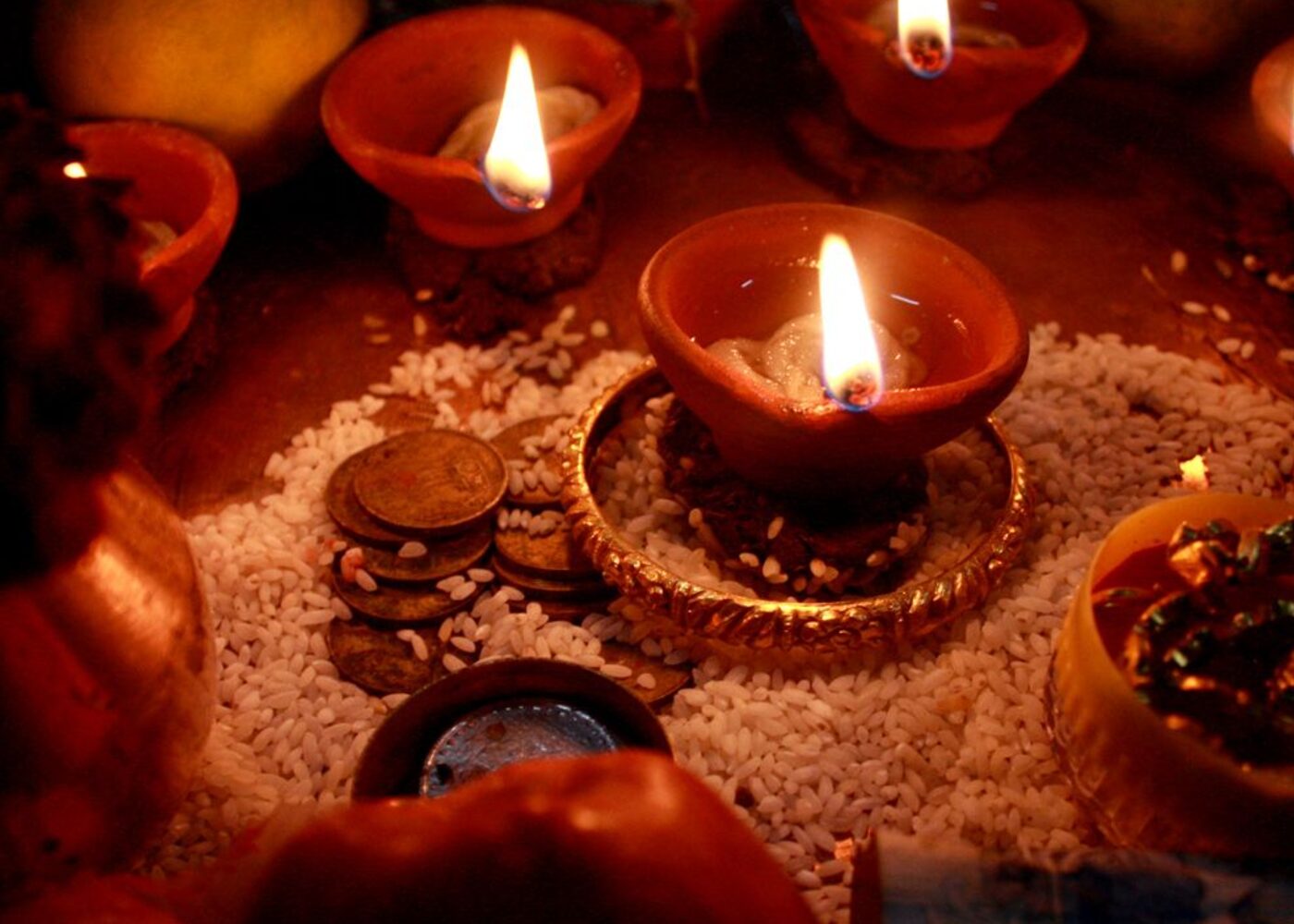
Image: Wikimedia Commons
On December 10, 2025, at the 20th Session of UNESCO's Intergovernmental Committee — held, fittingly, at Delhi's Red Fort — Deepavali was formally inscribed on the Representative List of the Intangible Cultural Heritage of Humanity. It became India's sixteenth element on that list, joining traditions like Yoga, Kumbh Mela and Durga Puja that have been recognised in previous years.
It's worth being precise about what an ICH listing is and isn't. UNESCO inscription doesn't grant any country exclusive ownership of a festival or tradition — Deepavali is celebrated well beyond India's borders, and the listing doesn't change that. What it does is formally recognise a tradition's cultural significance and encourage safeguarding measures: documentation, transmission to younger generations, and protection against the kind of erosion that comes from a living practice slowly being replaced by a purely commercial version of itself.
For a festival as globally visible as Deepavali, that safeguarding function matters more than it might seem. Wide visibility doesn't guarantee that the specific regional rituals, oral traditions and craft practices woven into the festival — the diya-makers, the rangoli traditions, the household rituals that vary from region to region — are being documented with any rigour.
A tradition doesn't need UNESCO's permission to matter. It needs someone willing to write down why it does, before that knowledge is only remembered instead of recorded.
That documentation instinct is exactly what Antare Kala's Lok Parampara pillar is built around — the festivals, oral history and craft lineages passed hand to hand, reaching them before that memory has to rely on someone's recollection alone.
Sources & Credits
- UNESCO — Representative List of the Intangible Cultural Heritage of Humanity — 20th Session IGC, December 10, 2025, Red Fort, Delhi
This is a desk report on public, verifiable developments — official announcements, award lists, festival programming and GI/UNESCO records. No individual is quoted here who has not made that statement publicly. Antare Kala's artist profiles, a separate and forthcoming content type, will carry direct interviews and consultation, per our editorial commitment: every artist we feature is credited, contacted, and consulted.