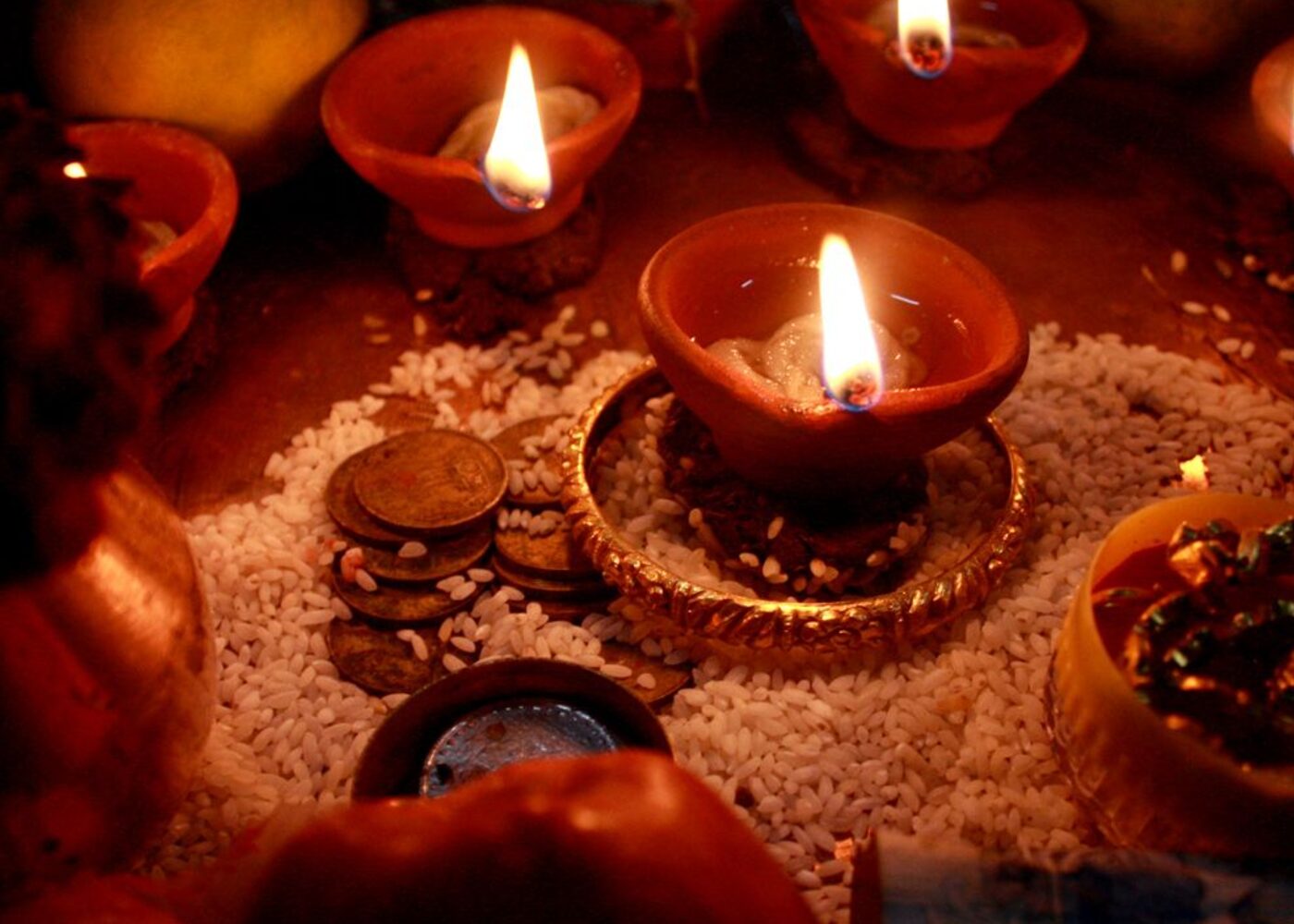
After Deepavali, India Wants Chhath on UNESCO’s List Next
Weeks after Deepavali’s inscription made headlines, the Ministry of Culture quietly began the harder, longer work of nominating Chhath Mahaparva — a festival with no single script, temple or text — for the same UNESCO recognition.
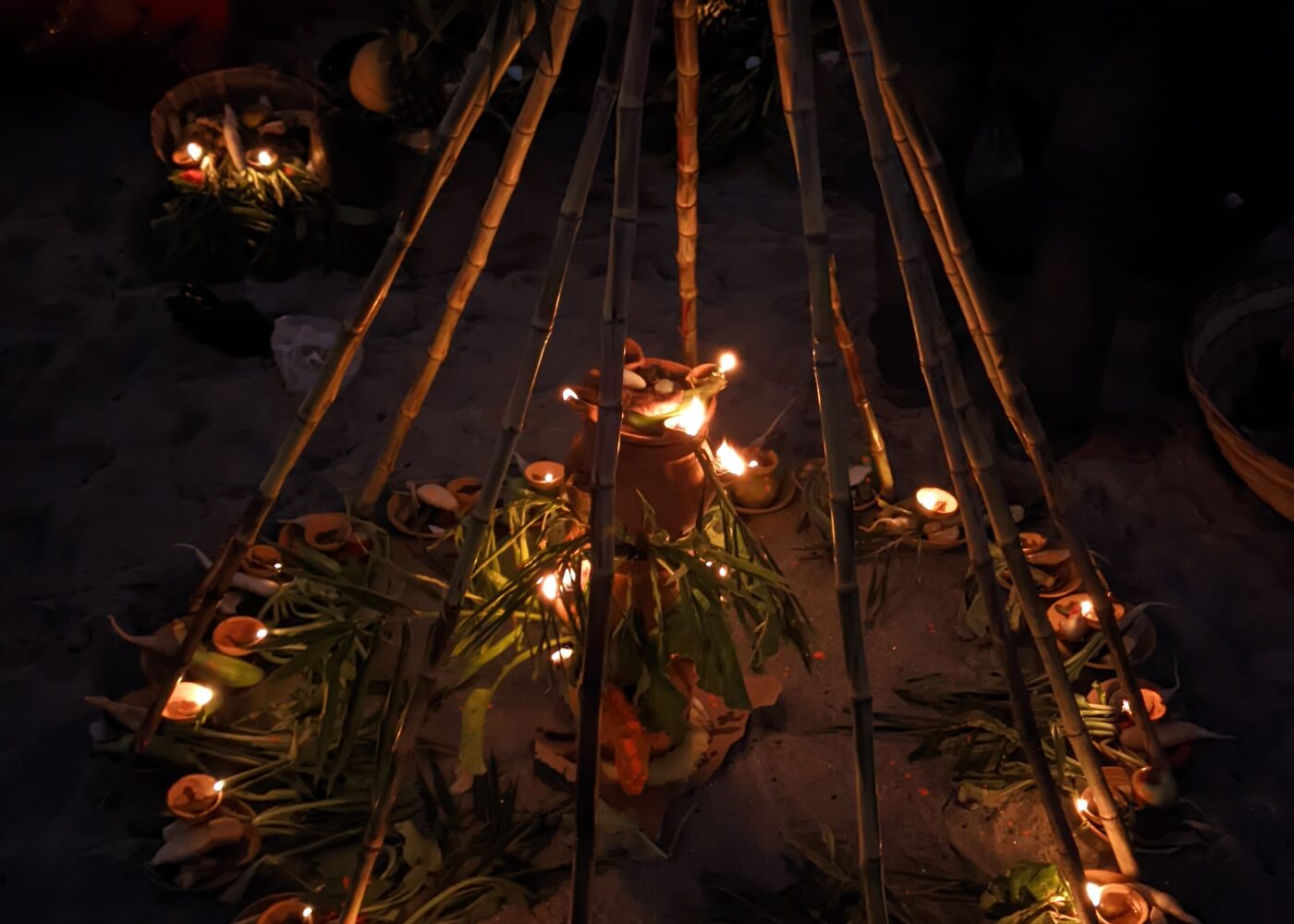
Image: Wikimedia Commons
On December 13, 2025, Deepavali became India's 16th festival inscribed on UNESCO's Representative List of the Intangible Cultural Heritage of Humanity — a milestone Antare Kala covered when it happened. Three months earlier, on September 16, 2025, the Ministry of Culture had quietly convened the first consultations on a considerably harder project: a multinational nomination of Chhath Mahaparva, aiming for UNESCO's 2026–27 nomination cycle.
Chhath is unusual even among Indian festivals, in ways that make an easy UNESCO case harder to build. It has no central temple, no single officiating priest, and no canonical text — it is observed almost entirely through a four-day sequence of fasting, riverbank ritual and sunrise-and-sunset arghya (water offerings) to the sun god Surya, carried forward primarily by oral instruction from one generation of women to the next, most visibly across Bihar, Jharkhand and eastern Uttar Pradesh, and by diaspora communities well beyond India's borders. That decentralised, women-led, largely undocumented structure is precisely what a UNESCO nomination file has to translate into the Committee's formal evidentiary language — a considerably slower task than nominating a festival with clearer institutional custodians.
The "multinational" framing matters here too: Chhath is observed by diaspora and neighbouring communities outside India, which means the nomination process involves the kind of cross-border coordination Deepavali's file didn't require in the same way. As of this writing, the file remains in the consultation and drafting stage — it has not yet been formally examined by UNESCO's Intergovernmental Committee, which last met in New Delhi in December 2025 and is not scheduled to convene again until later in 2026.
Deepavali had sixteen years of prior UNESCO listings, temples and texts to lean on. Chhath has four days on a riverbank, repeated by memory alone — which is exactly why getting it onto the same list matters more, not less.
There's a plain आशा — hope — running through this kind of slow institutional labour: that a festival built almost entirely on oral transmission between women, with no single custodian to speak for it, can still be documented well enough to earn the same global recognition as a festival with temples and scripture behind it. That's the specific difficulty Antare Kala's Lok Parampara pillar keeps returning to — traditions that are unmistakably alive, and correspondingly hard to file paperwork for.
Bhaav Spotlight · भाव
आशा (Hope)
A nomination file is really just hope, written down in a UNESCO committee's preferred format.
Sources & Credits
- Ministry of Culture, Government of India — Official announcement on the multinational nomination of Chhath Mahaparva, September 16, 2025 (culture.gov.in)
- Press Information Bureau, Government of India — Coverage of Ministry of Culture consultations on the Chhath Mahaparva nomination
- UNESCO Intangible Cultural Heritage — Twentieth session of the Intergovernmental Committee, New Delhi, December 8-13, 2025 (context on Deepavali’s concurrent inscription)
This is a desk report on public, verifiable developments — official announcements, award lists, festival programming and GI/UNESCO records. No individual is quoted here who has not made that statement publicly. Antare Kala's artist profiles, a separate and forthcoming content type, will carry direct interviews and consultation, per our editorial commitment: every artist we feature is credited, contacted, and consulted.